





What is dental implant treatment?
You no longer have to face tooth loss for the rest of your life, thanks to dental implantology. However, for some people, the treatment may still cause uncertainty or raise some concerns. What exactly is dental implant treatment? We respond to your inquiries. The World Health Organization (WHO) estimates that about 100% of persons worldwide have some kind of tooth decay. In many circumstances, cavities can result in tooth loss. The condition worsens with age: 30% of adults aged 65 to 74 have no natural teeth at all. Every day, implant dentistry services assist people like you in regaining your teeth. But if you still have questions concerning dental implants, this page has all the answers.
What is dental implant therapy?
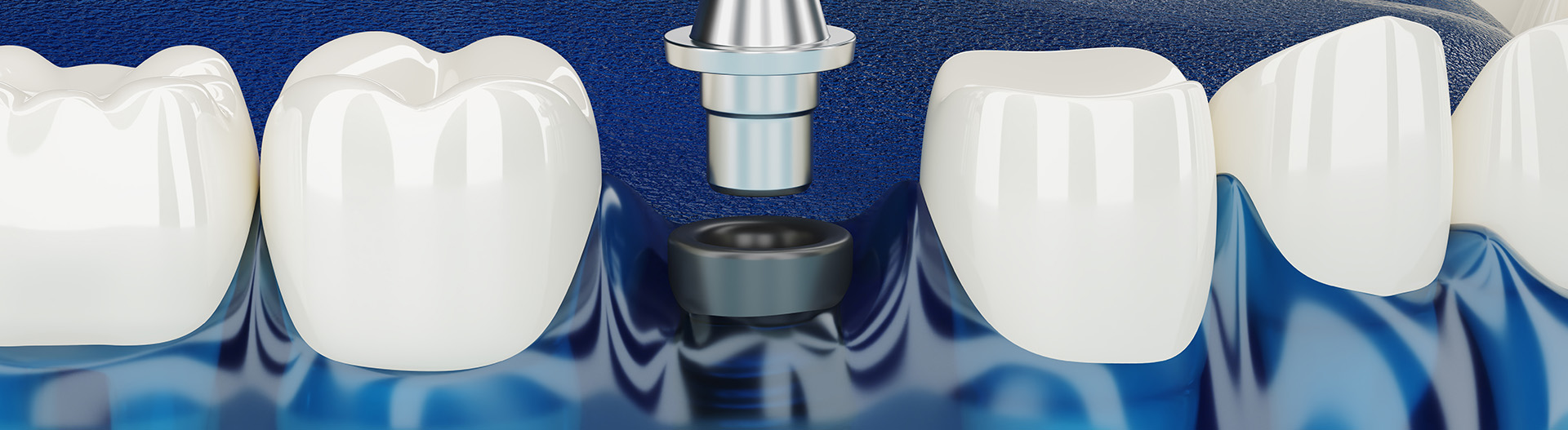
Dental implants are used to replace missing teeth by a surgery that involves the placement of osseointegrated implants (artificial roots). Dental implants require three components to perform their purpose of replacing your natural teeth:
Implant fixation:
This is the actual dental implant. The component of the fixture that protrudes through the gum and links the implant to the crown is known as a transepithelial abutment.
Crown:
This is the prosthesis that will be put on the implant to replace the natural tooth. Titanium is commonly used in the manufacture of implants. They can, however, be manufactured of different materials, such as zirconium. Dental implant procedures; Dental implant components
What is the dental implant therapy study and planning phase?
Although it is a treatment with a success record of approximately 98%, it is a difficult intervention that must be adequately prepared. In fact, the planning step is critical to the project’s success.
During the study and planning phase, the following tasks are completed:
Implementing the tailored diagnosis:
The patient’s oral health status, existing functional and cosmetic issues, and potential remedies from implantology or other alternative treatments (if applicable) will be assessed. A radiographic analysis is required to exclude previous pathologies (inflammations, periodontal infections, etc.) that could impact the implants, design the teeth we will put in the future, and arrange the surgery necessary to place the implants in the best position to support the planned teeth.
Notifying the patient:
This includes communicating to the patient everything that dental implant therapy entails, from potential issues to the necessary cleanliness and care duties. Dispelling doubts: Despite the implantologist’s information, the patient may still have some queries. Before the patient agrees on treatment, the implantologist must ensure that all questions are answered.
Procedure planning:
Once the patient has agreed on the procedure, the dentist or dental implantologist will schedule the treatment appointments. It is critical to consider the client’s preferences as well as any potential hurdles they may have in their employment or other activities as a result of recuperation or complications. Before treatment begins, the investigation and planning phase of dental implant treatment may necessitate one or more clinic visits. Phase of dental implant treatment planning
Can I receive dental implants after having my teeth extracted?
You can benefit from exodontics of the damaged teeth to insert the implants at the same time if your case fits certain criteria:
No disease:
If there is one, you will have to wait for it to vanish.
The bone is in good condition:
If it has changed, or if the amount of bone available to insert the implant has reduced, the intervention should be postponed, and the location treated to regenerate the bone bed if necessary.
No complications:
If there are other issues, such as gum disease, the implant may not be able to be placed at the same time as the extraction and must be delayed. After examining your case, the implantologist will explain your alternatives with you.
Surgery with dental implants
Depending on the health of the jawbone and other conditioning factors, the intervention may involve several stages and approaches. – If the bone bed has been prepared, the implant is implanted, which is commonly a titanium screw that will bond to the bone. If there is insufficient bone or its quality is poor, you may require a bone regeneration procedure prior to implant placement. – Following implant placement, it is required to wait until the implant has osseointegrated sufficiently to install the crown, which might take 2-3 months or longer in difficult cases of bone regeneration. – The abutment, which should function as a union with the crown, is normally put in the second stage. When the implant has completely osseointegrated, the prosthesis or crown is attached to the bridge. However, quick load implants are becoming more frequent, allowing you to restore your teeth within a day by placing a temporary crown over the implant, which will be replaced with a permanent denture after osseointegration has occurred. The operation is typically completed in a single visit, or at most two appointments for substantial rehabilitations, and you can have a functional tooth in less than 24 hours.
How long will I be toothless?
It all depends on the circumstances. As demonstrated in the preceding section, it is feasible to leave surgery with a restored tooth in less than 24 hours. However, the fact that this is possible does not always imply that you should immediately undergo load implant treatment. Allowing time for the gums to recover correctly, preventing infection, or treating other potential consequences is frequently essential or desirable.
What precautions should I take during the osseointegration?
Follow these guidelines until the implants are fully incorporated into the bone: – Do not load the implants: any “force” applied to the implant may disrupt osseointegration and cause the implant to separate from the bone. – Maintain good hygiene: bacterial plaque can potentially impede the procedure. Bacteria can grow on the surface of your natural teeth as well as around the implant. Patients with untreated periodontitis have an increased likelihood of failure (which is why it is important to have a full oral health examination before dental implant treatment). – Smokers have a greater rate of osseointegration failure and implant loss; avoid or limit smoking following implant implantation.
How should I take care of my teeth after having dental implants?
After the procedure is finished and the implants and crowns have been installed, it is critical to take basic precautions to avoid issues and ensure the implants’ survival.
Maintain a strict hygiene routine:
Brush your teeth after each meal, floss, use an interdental brush, mouthwash, and other oral hygiene measures.
Attend frequent check-ups:
Following implant placement, the implantologist will establish a check-up schedule to ensure that the implants are in good working order.
Follow the advice of the specialist:
Because the implantologist is the expert on your condition, you should listen to his or her advice.
If in doubt, seek professional advice!
If you encounter any discomfort or symptoms that may signal a problem with your implants, please consult with your implantologist to ensure that everything is in working order. We specialize in cosmetic implantology at our clinic. We can assist you settle any remaining concerns about dental implant treatments. Our objective is to fully enlighten our clients about their alternatives and every element of their treatment. With our fantastic team of professionals, we are here to help you restore the functionality and beauty of your teeth.
